Wondering whether East Petaluma or West Petaluma is the better fit for your next move? It is a common question, especially when both sides of town offer strong lifestyle appeal but feel quite different day to day. If you are trying to balance home style, commute patterns, shopping, parks, and price, this guide will help you compare both areas with more confidence. Let’s dive in.
East vs. West Petaluma at a Glance
If you want the simplest way to think about it, West Petaluma is generally more connected to the city’s historic core, while East Petaluma tends to offer a more modern and mixed-age housing pattern.
West Petaluma is often known for tree-lined streets, older homes, and easier access to downtown. East Petaluma is more closely tied to the East Washington commercial corridor, with modern homes near shopping centers, trails, small parks, the junior college area, and the hospital.
That does not mean one side is better than the other. It usually comes down to how you want to live, what type of home you prefer, and what price point makes the most sense for you.
West Petaluma Home Feel
West Petaluma has the strongest concentration of historic character in town. Local neighborhood descriptions highlight areas with Victorians, Craftsman homes, bungalows, and older districts that date from the 1860s through the 1940s.
You will also find a mix within the west side itself. Some areas feature historic mansions and restored older homes, while others include newer subdivisions and homes built later, including properties from the 1970s closer to downtown.
If you are drawn to architectural detail, established streetscapes, and a home that feels tied to Petaluma’s past, the west side may stand out right away.
West Petaluma housing styles
On the west side, the housing stock tends to skew older overall. That often means more character details, more variation from one block to the next, and a stronger connection to the historic center of town.
For some buyers, that is the appeal. For others, it may mean weighing charm against the maintenance or updates that can come with an older home.
East Petaluma Home Feel
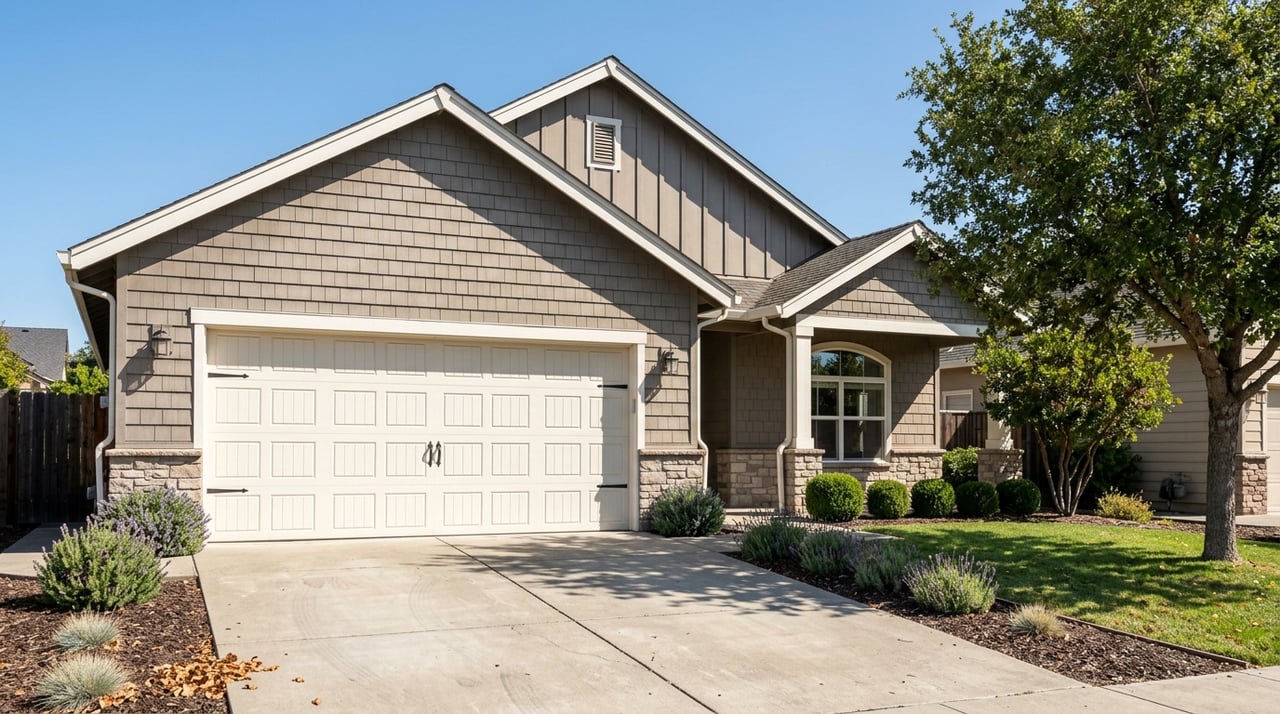
East Petaluma tends to feel more modern and more mixed in its housing types. Local descriptions point to modern homes in the College district and mid-century to 21st-century housing along the East Washington corridor.
Current listing patterns also suggest a broader mix of property types on the east side. You may come across condo-style homes, attached homes, infill opportunities, mixed-use properties, and newer-feeling detached homes.
If you like having more variety in home types or prefer a setting shaped by later development and commercial convenience, East Petaluma may be worth a closer look.
East Petaluma housing styles
The east side often appeals to buyers who want a more contemporary layout or a wider mix of housing options. Depending on the specific area, you may find homes that feel more suburban, more redevelopment-oriented, or more connected to newer commercial corridors.
That flexibility can be helpful if you are trying to match a specific budget, ownership style, or day-to-day routine.
Commute and Transit Differences
Your typical day matters just as much as the house itself. One of the clearest differences between East and West Petaluma is how each side connects to transit and major activity areas.
West-side buyers are generally closest to downtown’s transit hub. The Petaluma Downtown SMART station sits next to the Copeland Street Transit Mall and is served by Golden Gate Transit, Sonoma County Transit, Petaluma Transit, and the free LumaGo shuttle. Route 10 also runs along the Petaluma Boulevard and SMART side of town.
That makes West Petaluma especially practical if your routine is more centered on downtown access or rail-connected commuting.
East-side buyers are usually better aligned with east-side bus service and the commercial corridor. Route 11 links the Eastside Transit Center, East Washington, Lakeville, Petaluma Market, and the Copeland Transit Mall, while Route 33 serves stops including Washington Square, Sonoma Mountain Parkway, SRJC and Leghorn Park, Maria Drive, and East Madison Street.
In everyday terms, East Petaluma is often organized around the East Washington and McDowell corridor, while West Petaluma is more connected to the downtown hub.
Shopping and Recreation Access
Both sides of Petaluma offer convenient places to shop and get outside, but they do it in different ways.
West Petaluma leans more toward downtown shopping and historic neighborhood surroundings. Downtown is described as a shopping area with boutiques, galleries, antique stores, and free parking. On the recreation side, west-side references often include Oak Hill Park and Helen Putnam Regional Park.
Helen Putnam Regional Park is a major west-side lifestyle draw, with trails, views, picnic areas, and a playground. If access to open space and a more historic downtown rhythm matters to you, the west side may feel like a natural fit.
East Petaluma is anchored by larger retail centers along East Washington Street and North McDowell Boulevard. These include East Washington Place, The Plaza North and South, Washington Square, Redwood Gateway, River Plaza, Leghorn Marketplace, and Petaluma Gateway Center.
For recreation, the east side commonly centers on Lucchesi Park, Leghorn Park, and the SRJC trail network. If your daily routine includes errands, shopping stops, and easy access to parks woven into the east-side corridor, this side may support that lifestyle well.
Price Differences to Know
Price is often a big factor when comparing East and West Petaluma homes. Based on 2024 BAREIS data, West Petaluma had a higher average sale price than East Petaluma.
In 2024, East Petaluma averaged $918,981 across 228 closed sales. West Petaluma averaged $1,149,736 across 253 closed sales.
That pattern also lines up with more recent market snapshots. West Petaluma showed a median sale price of $1.07 million over the last three months on a current market page, while East Petaluma showed a median sale price of $883,333 as of February 28, 2026 on another market snapshot.
For buyers, that often means West Petaluma may require a higher budget, especially if you want a home with historic character near downtown. East Petaluma may offer more flexibility depending on the property type and location.
Inventory Is Limited on Both Sides
No matter which side you prefer, inventory has been limited. Recent neighborhood snapshots showed roughly 22 homes in West Petaluma and about 10 in East Petaluma, while broader Petaluma market data showed 90 for-sale listings and 50 new listings as of May 31, 2026.
Limited inventory can affect your strategy. If the right home comes up, especially in a popular pocket, you may need to move quickly and make decisions with a clear sense of your priorities.
West Petaluma market data also reported homes selling in about 23 days, which suggests that well-priced homes can attract attention fast.
How to Choose the Right Side for You
If you are deciding between East and West Petaluma, start with the parts of daily life that matter most to you. The best fit is often less about labels and more about lifestyle patterns.
West Petaluma may be a better match if you are looking for:
- Older character homes
- Closer access to downtown
- Historic streets and established neighborhoods
- Proximity to the downtown transit hub
- Easy access to Helen Putnam Regional Park and west-side neighborhood parks
East Petaluma may be a better match if you are looking for:
- More modern or mixed-age housing
- A wider variety of property types
- Direct access to the East Washington shopping corridor
- East-side bus connectivity
- Close proximity to parks like Lucchesi Park and Leghorn Park
In the end, both sides of Petaluma offer strong options. What matters most is how the home, location, and your budget come together in a way that supports your next chapter.
If you want help comparing neighborhoods, weighing tradeoffs, or spotting the right fit when inventory is tight, Amy Ahlers can help you navigate Petaluma with local insight and personalized guidance.
FAQs
What is the main difference between East and West Petaluma homes?
- West Petaluma is generally more tied to the historic core, with older character homes and closer downtown access, while East Petaluma tends to offer more modern or mixed-age housing near the East Washington corridor.
Are West Petaluma homes usually more expensive than East Petaluma homes?
- Based on 2024 BAREIS data, yes. West Petaluma averaged $1,149,736, while East Petaluma averaged $918,981.
Is West Petaluma better for downtown access?
- West Petaluma is generally closer to downtown and the Petaluma Downtown SMART station, along with the Copeland Street Transit Mall.
Does East Petaluma have more shopping centers?
- East Petaluma is strongly connected to the East Washington and North McDowell retail corridor, where many of the city’s larger shopping centers are located.
Which side of Petaluma has more historic homes?
- West Petaluma has the strongest concentration of historic housing, including Victorians, Craftsman homes, and bungalows in older districts.
Is inventory tight in both East and West Petaluma?
- Yes. Recent market snapshots showed limited active inventory on both sides, which can make preparation and timing especially important for buyers.