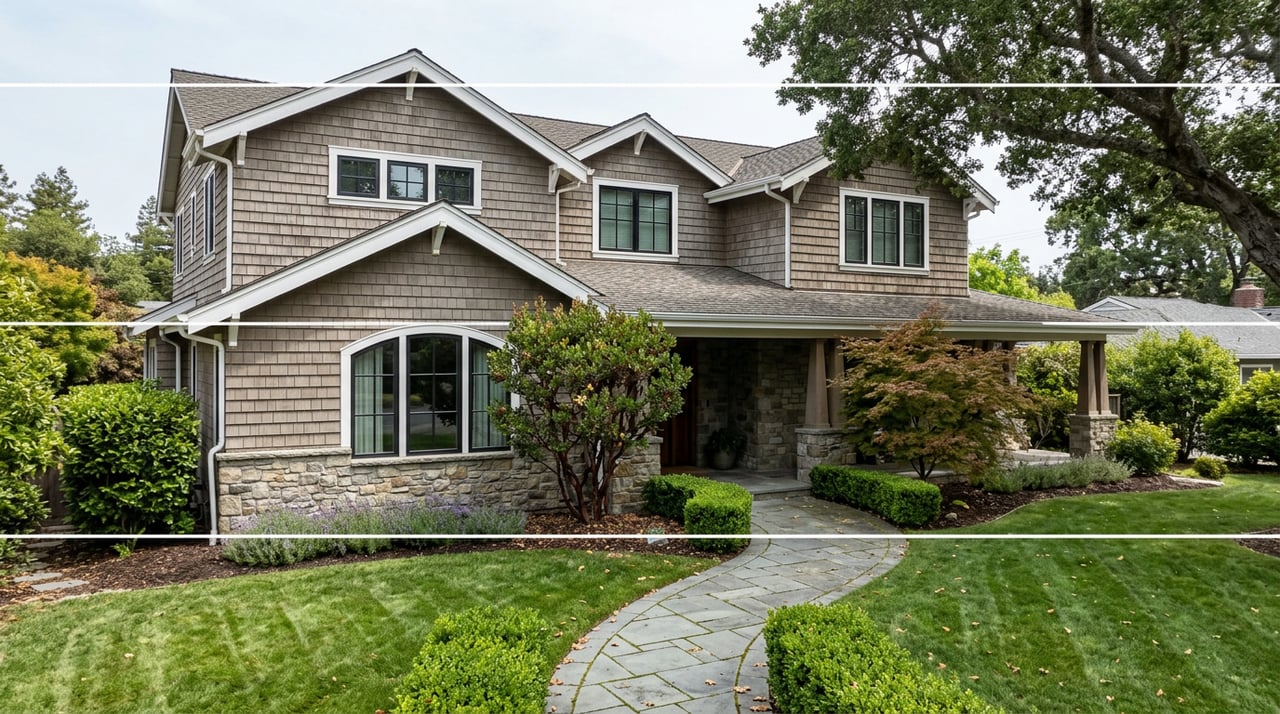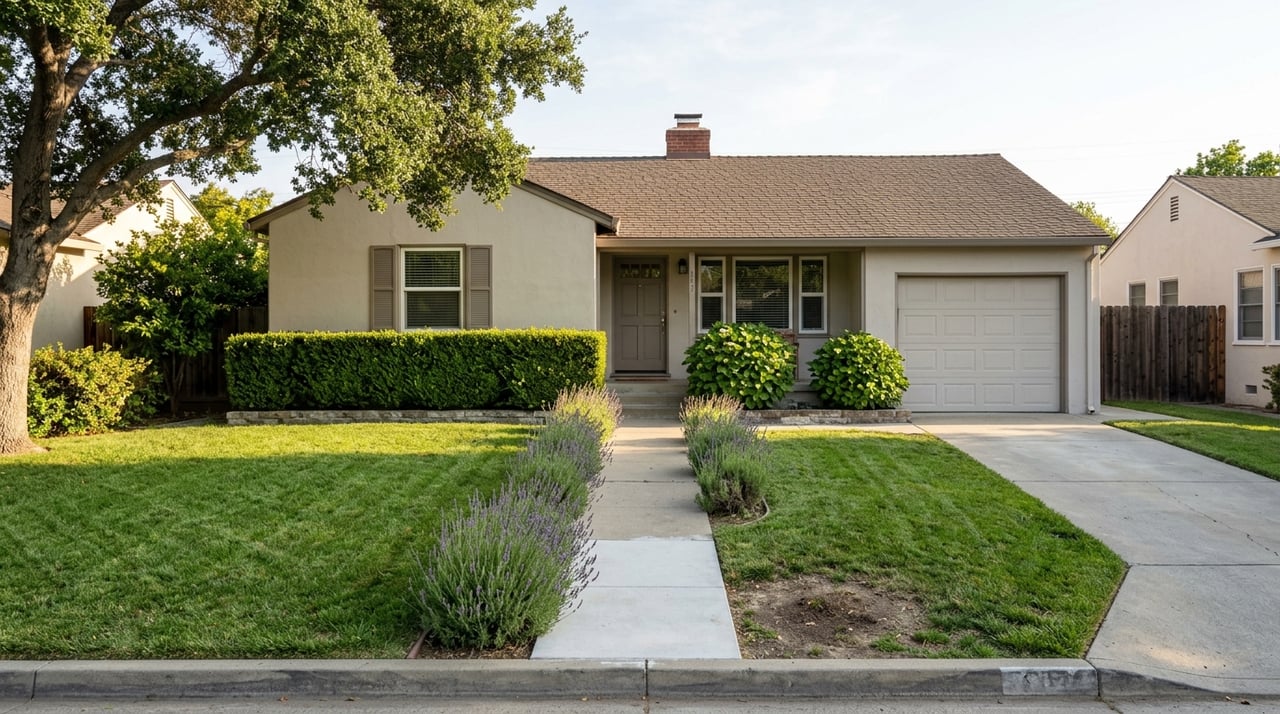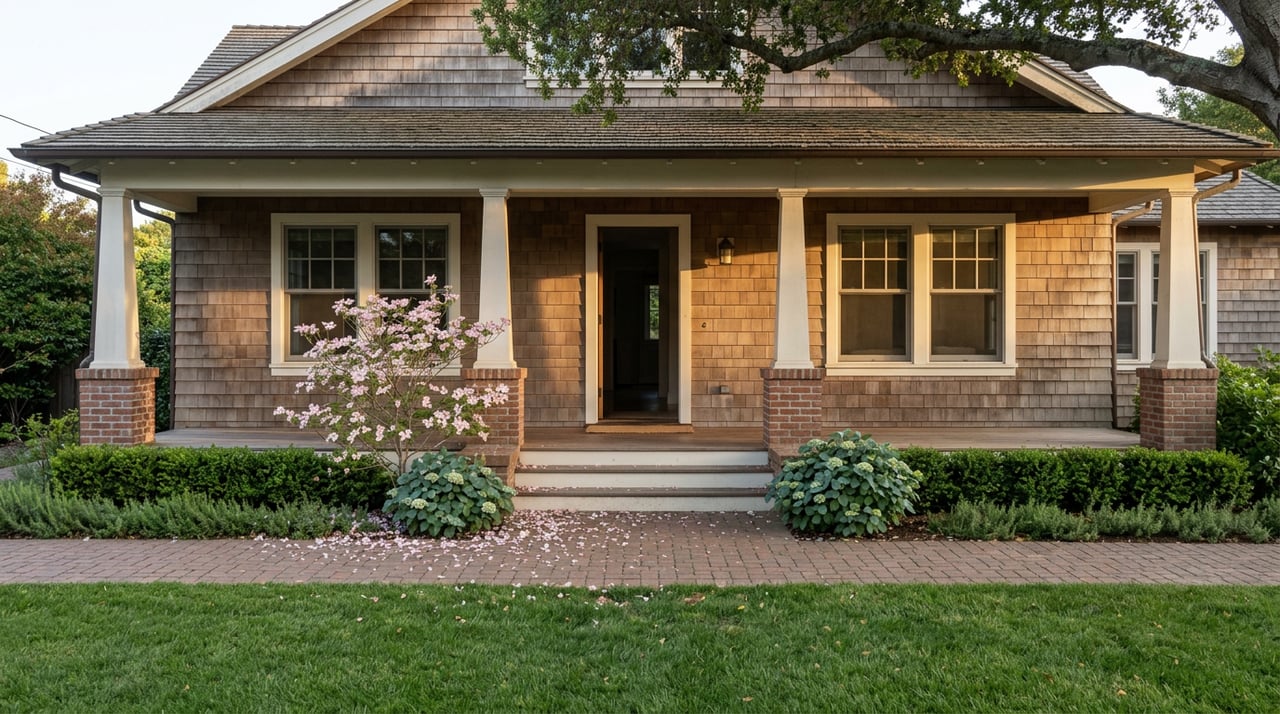
Choosing between a condo and a house in Cotati or Rohnert Park can feel simple at first, until you start comparing price, upkeep, HOA dues, privacy, and long-term flexibility. If you are trying to balance your monthly budget with the way you actually want to live, you are not alone. The good news is that each option can make sense depending on your goals, and the local housing mix gives you real choices. Let’s dive in.
Cotati and Rohnert Park at a Glance
Cotati and Rohnert Park sit side by side in Sonoma County, but they offer different housing contexts. Cotati is a much smaller city at 1.87 square miles with 7,584 residents, while Rohnert Park covers 7.29 square miles and has 44,390 residents. That difference in size helps shape the kinds of homes you are likely to see.
Cotati’s planning direction leans heavily on infill because the city says it has limited undeveloped land. Rohnert Park’s planning documents make room for a wider spread of housing types, including detached homes, duets, townhomes, apartments, and mixed-use housing. If you are looking for variety, both cities have it, but the mix shows up in different ways.
How the Local Housing Mix Affects Your Choice
In Cotati, single-family detached homes still make up the largest share of the housing stock at 45.9%. At the same time, attached single-family homes such as townhomes and condominiums account for 18.3%, and duplexes, triplexes, and fourplexes make up 14.2%. That means compact housing is not a side note here. It is an established part of the market.
Cotati’s current design standards also reinforce that direction. The city defines plex housing broadly to include duplexes, triplexes, townhouses, stacked flats, side-by-side units, live-work units, and small courtyard apartment buildings. For buyers, that means attached and smaller-format housing is likely to remain an important local option.
Rohnert Park offers a broader range by plan. The city’s southeast planning documents include low-density detached homes on larger lots, medium-density detached homes or duets, and mixed-use areas that can include apartments and attached single-family townhomes. Downtown planning materials also describe a walkable mixed-use district with 300 to 500 residential units.
Price Differences: Condo vs House
For many buyers, the first question is simple: what gets you in the door? Recent market snapshots put the median sale price at $650,000 in Cotati and $700,000 in Rohnert Park over the latest three-month Redfin windows. Census owner-occupied home-value estimates show $746,800 in Cotati and $666,300 in Rohnert Park.
Those figures are measuring different things, so they should be treated as directional, not directly comparable. Still, they help show that pricing can shift depending on the type of home and the slice of the market you are watching. That is why it helps to compare condos, townhomes, and detached homes separately rather than relying on one headline number.
Attached homes often create a lower entry point. At the time of research, Rohnert Park had 12 condos for sale at a median listing price of $375,000 and 5 townhouses at a median listing price of $522,000. Cotati had 6 condos and 3 townhouses for sale in the city last month, with nearby condo examples roughly ranging from about $239,995 to $389,000.
If you are a first-time buyer or a value-focused buyer, that gap matters. A condo or smaller townhome may put homeownership within reach sooner, even if a detached house feels like the long-term dream. In many cases, the better question is not “Which is better?” but “Which option fits your budget and timeline right now?”
Monthly Costs Matter More Than Sticker Price
A lower purchase price does not always mean a lower monthly housing cost. Census owner-cost estimates with a mortgage were $3,019 in Cotati and $2,878 in Rohnert Park. That helps explain why buyers often compare total monthly costs, not just the sale price.
With a condo or some townhomes, you may trade a lower purchase price for HOA dues. You also need to factor in taxes, insurance, and the possibility of special assessments. With a detached house, you may skip HOA dues in some cases, but you will likely take on more direct maintenance costs.
A simple side-by-side can help:
| Home type | Typical advantage | Typical tradeoff |
|---|---|---|
| Condo | Lower entry price, lighter exterior upkeep | HOA dues, shared rules, possible special assessments |
| Townhome | Middle ground on price and space | HOA structure may still apply, less private outdoor space than many houses |
| Detached house | More privacy and future flexibility | Higher purchase price in many cases, more maintenance responsibility |
The Biggest Difference Is Often Ownership Structure
In California, the key difference is not always what the building looks like. The California Department of Real Estate says subdivision types are defined by ownership rights, not architecture. A condominium owner owns a separate unit plus shared common area, while a planned-development owner owns a home on a separate lot plus common area through HOA membership.
That means two homes that look similar from the street can come with very different ownership responsibilities. A townhome may be legally structured as a condo or as a planned development. If you are comparing attached homes, this is one of the most important details to understand before you make an offer.
What to Know About HOAs
Common interest developments in California must have an HOA. Membership transfers automatically with the property, and the HOA can collect regular dues, levy special assessments, and enforce CC&Rs, bylaws, and rules. The Attorney General also describes HOAs as bodies that make and enforce rules for subdivisions, planned communities, or condominium buildings.
That does not make HOAs good or bad by default. It simply means you should treat the HOA as part of the property you are buying. If the monthly dues stretch your budget or the rules do not fit your lifestyle, that home may not be the right match.
Before you buy, review these HOA documents carefully:
- CC&Rs
- Bylaws
- HOA budget
- Reserve funding
- Community rules
- Any current or potential special assessments
The DRE buyer guide says regular dues fund day-to-day operations and reserves. It also notes that special assessments can pay for major repairs, replacements, or other extraordinary costs. In some older converted buildings, maintenance and repair needs can be higher than buyers expect.
When a Condo May Make More Sense
A condo may be a strong fit if your top priorities are a lower entry price and less exterior maintenance. In this local market, attached listings often sit well below citywide median sale prices. That can make them appealing if you want to become a homeowner without stretching too far.
A condo can also work well if you like shared amenities and a simpler day-to-day routine. Current local listings show examples with community pools, clubhouses, private balconies, enclosed patios, and assigned parking. For some buyers, that trade of private yard space for convenience feels like a smart move.
This option can be especially attractive if you want a lock-and-leave lifestyle. If your schedule is busy or you simply do not want to spend weekends on exterior upkeep, a condo may align better with how you want to live.
When a House May Make More Sense
A detached house often appeals to buyers who want more privacy, more separation from neighbors, and more control over the property. It can also make more sense if you are planning ahead for changing space needs. That may include room for hobbies, guests, storage, or future household changes.
Detached homes can also offer more flexibility for expansion. Cotati says most residential properties are eligible to construct at least one ADU. Rohnert Park says an ADU can be attached or detached and created from garage, living, or accessory space, and its southeast plan notes some lot types can accommodate larger lots and backyard amenities, including ADUs.
If future options matter to you, a house may give you more room to adapt over time. Whether you are thinking about multigenerational living, extra workspace, or rental-income planning, a detached property is often the more natural fit.
Which Choice Fits Your Stage of Life?
There is no one-size-fits-all answer, but there are some clear patterns. First-time and value-focused buyers often start with condos or smaller townhomes because the upfront price can be lower and exterior maintenance is lighter. The tradeoff is that your monthly budget needs to absorb HOA dues and the possibility of special assessments.
Growing households often lean toward single-family homes. That choice can support more flexibility, more private outdoor space, and more options for future expansion. In Cotati and Rohnert Park, where planning documents support a range of housing forms, your best fit often comes down to how you want to balance cost, convenience, privacy, and future plans.
Downsizers may also find attached housing appealing, especially if shared amenities and lower-maintenance living matter more than yard space. For others, a detached single-level home may still be the better answer. The right move depends less on labels and more on the lifestyle you want your next home to support.
A Smart Way to Decide
If you are weighing a condo against a house in Cotati or Rohnert Park, start with a practical checklist. Think about your maximum comfortable monthly payment, how much maintenance you want to handle, whether HOA rules fit your preferences, and how important future flexibility is. Then compare properties through that lens.
This choice is usually not about picking the “best” property type. It is about deciding which tradeoffs feel easiest for you to live with over the next few years. When you get clear on that, the right option tends to stand out much faster.
If you want help sorting through condos, townhomes, and houses in Cotati or Rohnert Park, Amy Ahlers can help you compare the real-world pros and tradeoffs so you can move forward with confidence.
FAQs
What is the difference between a condo and a townhome in Cotati or Rohnert Park?
- In California, the legal ownership structure matters more than the exterior style. A townhome can be legally structured as a condo or as a planned development, so you should review how ownership and common areas are defined for that specific property.
Are condos usually cheaper than houses in Cotati and Rohnert Park?
- Often, yes. Current local listing snapshots show condos and townhomes generally priced below citywide median sale prices, which can make them a lower entry point for buyers.
Do HOA dues in Cotati or Rohnert Park cover maintenance?
- Often they help cover common-area maintenance and reserves, but the exact responsibilities depend on the HOA’s CC&Rs, budget, and rules.
Should you buy a house in Cotati or Rohnert Park if you want an ADU later?
- A detached home is often better suited to future expansion. Cotati says most residential properties are eligible for at least one ADU, and Rohnert Park says ADUs can be attached or detached and created from several types of space.
What HOA documents should you review before buying a condo in California?
- You should review the CC&Rs, bylaws, budget, reserve funding, rules, and any current or potential special assessments before making an offer.