Selling in Petaluma can feel like a balancing act. You want top dollar without over-improving, a quick sale without cutting corners, and a process that keeps stress low for your family. The good news: with a clear plan tailored to Petaluma buyers, you can list with confidence and stand out online and in person. In this guide, you’ll get a simple 6–8 week timeline, smart staging and media tips, pricing and launch pointers, and the California disclosures and local hazard items you need to handle. Let’s dive in.
Why Petaluma buyers choose your home
Petaluma attracts lifestyle-driven buyers who value historic charm, outdoor access, and small-city conveniences. The walkable downtown, river setting, and nearby parks create a strong first impression for many shoppers exploring the North Bay. If your home is near these amenities, highlight them in your listing description and showings. You can draw inspiration from the area’s heritage and vibe found in the city’s story on the Visit Petaluma site.
Commuting options also matter. Highway 101 and the Sonoma–Marin Area Rail Transit connect Petaluma to Marin and San Francisco. Proximity to a SMART station or a park-and-ride can be a differentiator for hybrid workers. If that fits your property, note it in your marketing and link buyers to the SMART overview.
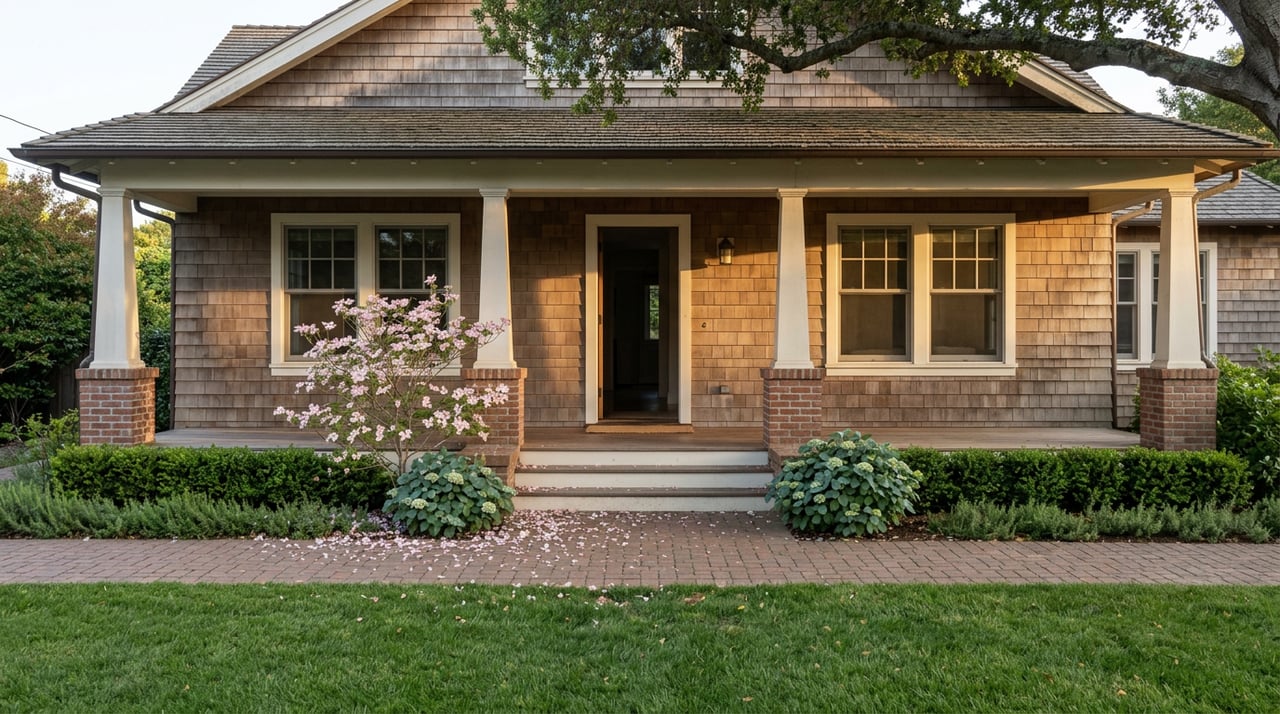
Petaluma homes span vintage Victorians near downtown, mid-century ranches, and newer subdivisions. Buyers expect different things from each. If you have a classic home, prioritize structure and moisture control before cosmetics. If your home skews newer, a light refresh and polished staging can help it read as turnkey.
Your 6–8 week prep plan
A focused plan keeps you on schedule and cuts surprises. Here’s a straightforward timeline that fits most move-up and lifestyle sellers.
Week 1: Strategy, records, inspections
- Meet with your agent to review local comps and set your pricing and prep priorities.
- Order your Natural Hazard Disclosure and start gathering permit records, major system receipts, and warranties. Use the City of Petaluma’s permit hub to verify past work.
- Decide if a pre-listing home inspection makes sense. For older homes, consider a termite or wood-destroying organism check as well. If issues are found, plan fixes or disclose them early to reduce renegotiations later.
Weeks 2–4: Safety, systems, curb appeal
- Tackle health and safety items first. Address roof leaks, significant electrical or plumbing issues, and any trip hazards.
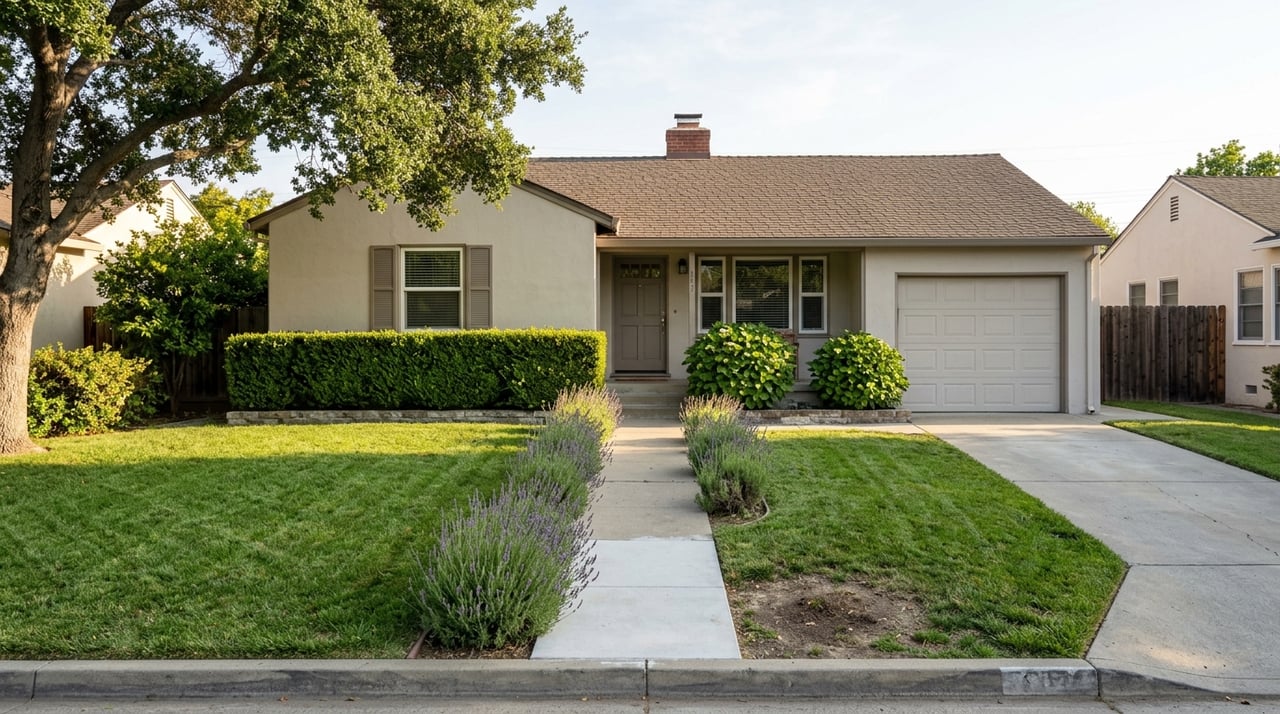
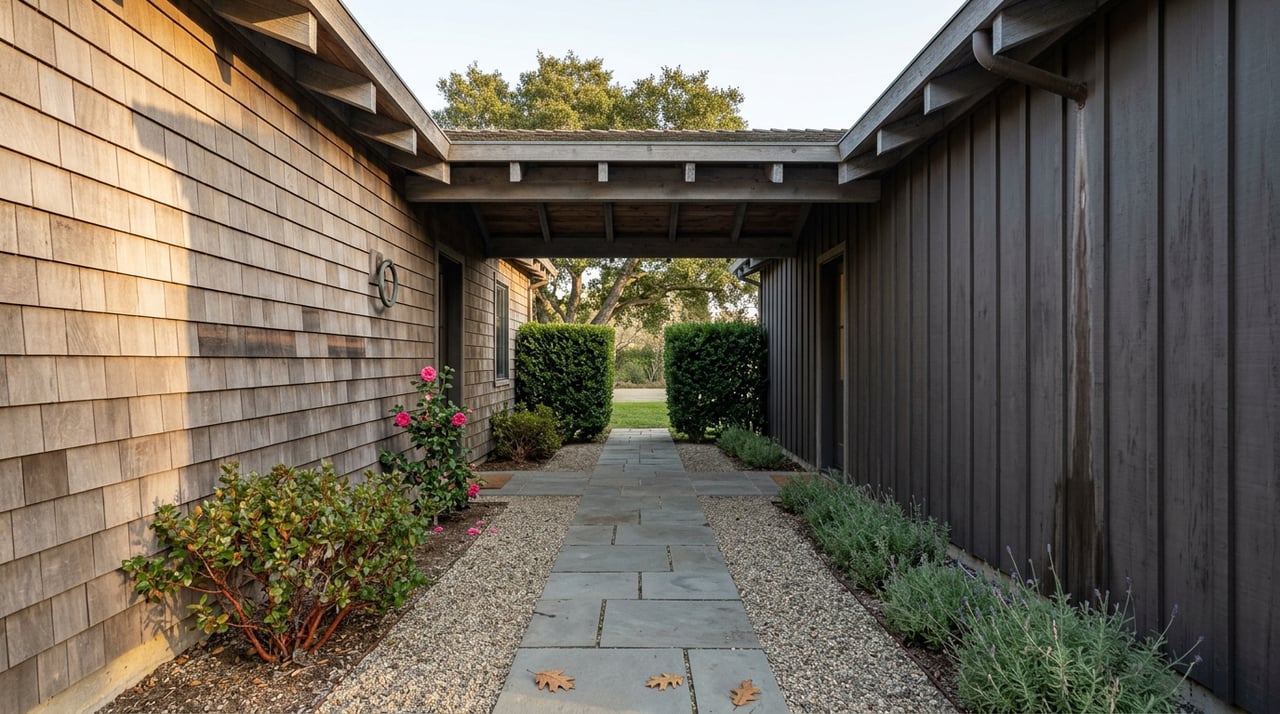
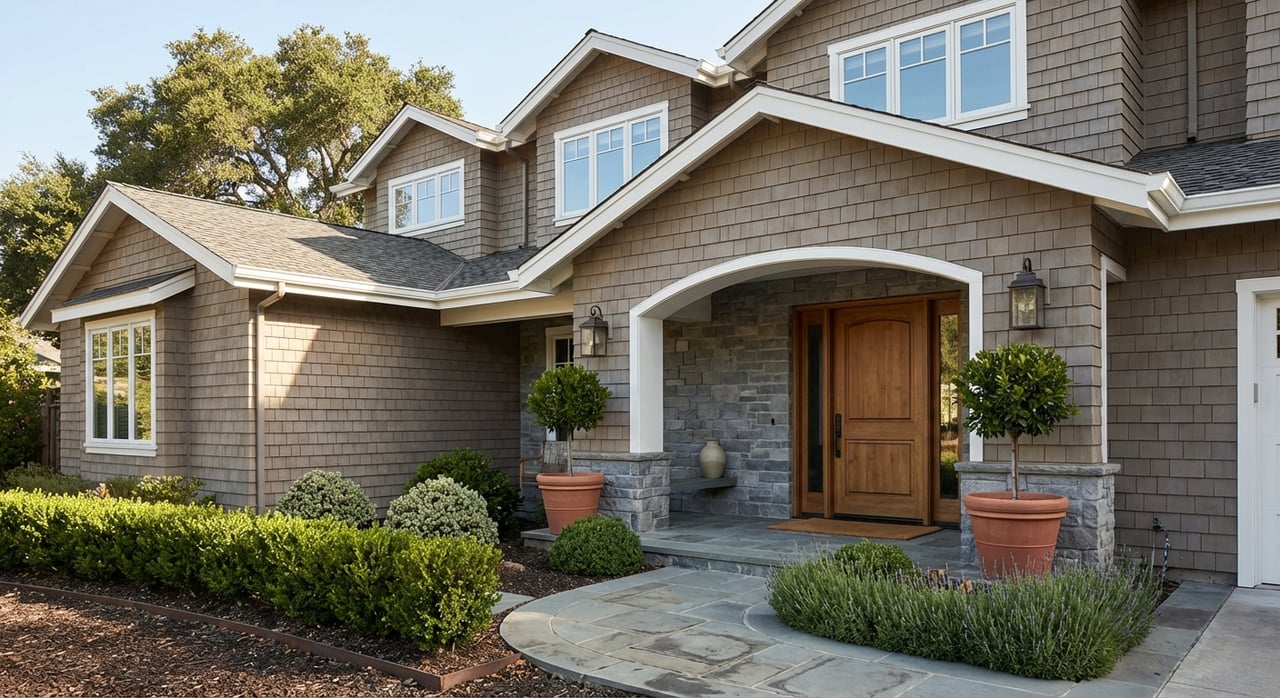
- Boost curb appeal with a tidy landscape, fresh mulch, and clean entryways. Small exterior paint touchups and updated house numbers can refresh the look.
- For older homes, resolve moisture and drainage issues before cosmetics.
Weeks 3–5: Cosmetic refresh and staging
- Paint in light, neutral tones, replace aging light fixtures, and update cabinet hardware for quick visual wins.
- Deep clean and declutter to open up rooms. Pack away personal photos and excess decor so buyers can picture their life in the space.
- Schedule staging. According to the latest NAR Home Staging report, staging often reduces time on market and many agents report it can lift offers modestly, especially when you focus on the living room, kitchen, and primary bedroom.
Week 5: Professional media
- Book a photographer experienced with real estate and HDR images. Plan golden-hour exteriors if possible.
- Add a floor plan and 3D walkthrough if your budget allows. A Matterport-style tour can increase online engagement, especially for Bay Area buyers browsing from afar.
Week 6: List and show
- Go live once photos, 3D, and copy are polished. Coordinate a mid-week launch so buyers can plan weekend tours.
- Stay flexible for early showings. Keep the house clean and show-ready for the critical first two weeks on market.
Staging and media that sell in Petaluma
Focus rooms and realistic costs
If your budget is limited, stage the rooms with the biggest impact: living room, kitchen, and primary bedroom. The NAR staging report found many agents saw staged homes sell faster, with reported offer lifts in the 1 to 10 percent range in some cases.
Typical media and staging costs vary by home size and package, but here is a general guide:
- Professional photos: often several hundred dollars.
- 3D tour or video: commonly in the low hundreds on top of photos.
- Professional staging: often in the low thousands for smaller homes. Larger or luxury properties cost more.
Must-have media checklist
- Declutter, depersonalize, and deep clean every room.
- Use neutral, cohesive accents that photograph well. Add greenery for warmth.
- Shoot 20 or more strong images that tell a story: curb appeal, main living spaces, primary suite, kitchen highlights, yard or deck, and a few neighborhood lifestyle cues.
- Add a floor plan and 3D walkthrough for clarity and reach.
Tell the lifestyle story
Petaluma buyers respond to a sense of place. In your listing, note nearby parks, river access or trails, the character of downtown, and commute options like SMART rail. Link to local context such as Petaluma’s history and lifestyle when appropriate.
Pricing and launch strategy
Your price should be anchored to recent neighborhood comps and your home’s real condition. Work with your agent to target a number that attracts early attention without leaving money on the table. The first 7 to 14 days are critical, so pair smart pricing with polished presentation.
If you are selling and buying locally, align timelines early. Discuss whether a rent-back, a short “coming soon” period, or a contingent offer strategy fits your goals and risk tolerance. Share your receipts, warranties, and permit records up front so buyers can value your home accurately.
Disclosures, permits, and local hazards
Selling in California means clear disclosure. Most residential sellers complete a Transfer Disclosure Statement and a Natural Hazard Disclosure. You must disclose known material facts that could affect value or safety. If you are unsure how to answer, ask your agent or an attorney. For an overview of state requirements, review this summary of California real estate disclosures and the Natural Hazard Disclosure statute in Civil Code 1103.2.
Permits and unpermitted work
Verify your property’s permit history and gather documents early. If any additions or major system changes were done without permits, disclose that information and allow time to consult the city about next steps. Start at the City of Petaluma’s permits page.
Local hazards to document
- Flooding: Homes near the Petaluma River and low-lying areas may fall within mapped floodplains. Buyers often ask about flood history and insurance. Reference local flood information from Sonoma Water’s site such as the Sonoma Water resource map when applicable.
- Wildfire: Some parcels near open hillsides can appear in moderate to high Fire Hazard Severity Zones. Share any defensible-space work or brush clearance you have completed. Learn about regional mapping through the Sonoma Valley Fire FHSZ page.
Common reports buyers request
Many California transactions include termite or WDO reports, and buyers frequently request roof and HVAC service records. In some jurisdictions, sewer lateral or septic checks come up as well. If your home is older, a pre-list termite check can reduce risk and delay.
Listing packet checklist
Gather these items before you go live:
- Permit history, system receipts, and any transferable warranties (roof, solar, HVAC).
- Completed TDS and NHD forms.
- Any recent inspection or service paperwork.
- A short neighborhood context sheet that notes school district, nearby parks, commute options like SMART rail, and any flood or wildfire context relevant to your parcel.
Budget: where to spend for ROI
Most sellers see the best return by starting with low-cost, high-impact updates: paint, lighting, landscaping, deep cleaning, and professional staging. A conservative pre-list budget for a move-up Petaluma home often falls in the 2,000 to 10,000 dollar range for staging, cleaning, paint, and yard work. If you plan minor kitchen or bath cosmetic updates, expect more. For bigger projects, use the national Cost vs. Value report as a reference and layer in local guidance from your agent before you commit.
Ready to stand out?
A polished plan, professional presentation, and clear disclosures help you sell faster and with greater confidence in Petaluma. If you want a boutique, hands-on process that includes staging coordination, pro media, and thoughtful storytelling about your home’s lifestyle fit, reach out to Amy Ahlers. Own the Home Meant for You.
FAQs
What should I fix before listing my Petaluma home?
- Prioritize safety and lender-sensitive items first such as roof leaks, significant electrical or plumbing issues, then handle curb appeal and quick cosmetic refreshes. Disclose the rest and price accordingly.
Does staging really help homes sell in Petaluma?
- Yes. The latest NAR staging research shows staged homes often sell faster, and many agents report modest offer increases when key rooms are staged.
Do I need to disclose wildfire or flood risk when I sell?
- In California, sellers complete a Natural Hazard Disclosure that covers mapped hazards like floodplains and fire zones. Review Civil Code 1103.2 and ask your agent about local maps for your address.
How much should I budget to prep my home?
- Many move-up sellers set aside 2,000 to 10,000 dollars for cleaning, paint, yard work, and staging. Plan more for kitchen or bath cosmetics, and use the Cost vs. Value report to weigh larger projects.
When is the best time to list in Petaluma?
- Talk timing with your agent. Many local sellers aim for a spring launch to align with buyer activity and school calendars, then fine-tune the exact week based on current market dynamics.