Buying your first home is exciting, but it can also feel overwhelming in a market as unique as Santa Rosa. You might be asking where to start, how much to budget, and which neighborhoods fit your lifestyle and price point. This guide gives you clear, local steps to move from browsing to keys in hand. You’ll learn what homes typically cost, how long they take to sell, where first-time buyers often look, how down payment assistance works here, and how to plan for wildfire and insurance. Let’s dive in.
Santa Rosa market snapshot
Santa Rosa home prices have been running in the low-to-mid $700,000s as of early 2026, based on major third-party trackers. Different vendors report different metrics, but they point to a similar range. Market pace varies by source as well. Recent snapshots showed a median days on market near the 40-day mark using one method, while another measure showed about 26 days to pending. The key takeaway for you is to be ready with financing and a strong plan when the right home appears.
Focus on what you can control: your pre-approval, your target monthly payment, and your must-haves. In a somewhat competitive market, clean, well-priced listings can still move quickly, especially if they are updated or well located.
Where first-time buyers look
Common home types
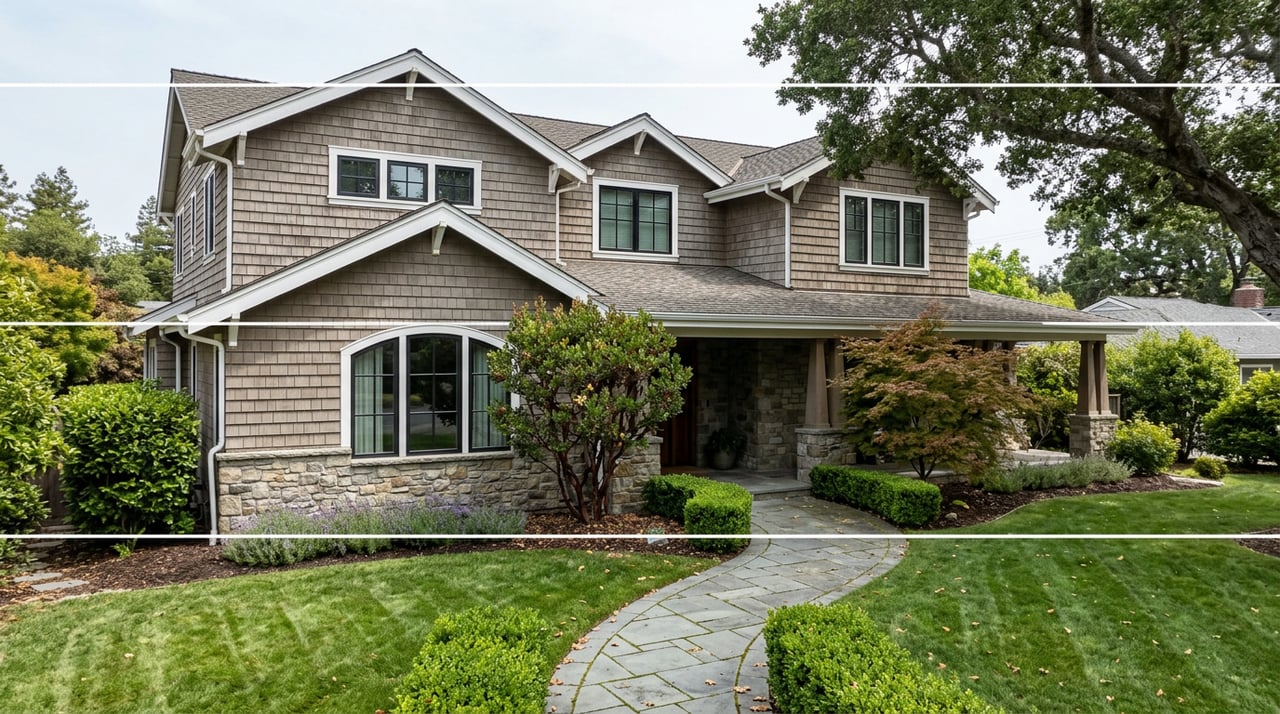
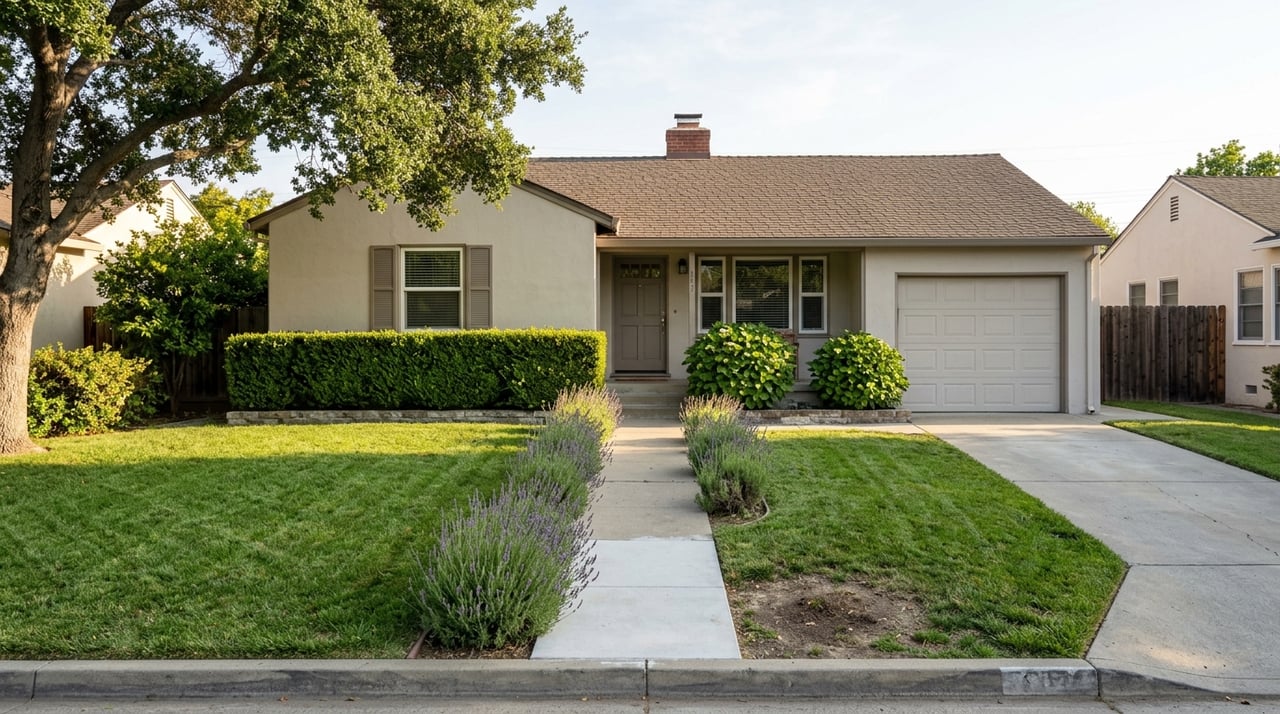
You’ll see a mix of single-family homes, mid-century bungalows, and newer planned subdivisions, plus condos and townhomes near shopping corridors and downtown. Newer construction is common in parts of Fountaingrove and Coffey Park due to post-2017 rebuilding, while classic mid-century homes are common across many neighborhoods.
Neighborhood overview
You’ll often hear neighborhoods like Fountaingrove, Rincon Valley, Bennett Valley, Montgomery Village, Coffey Park, Roseland, and Downtown/Railroad Square in listings. Each offers a different blend of home age, access to parks and services, and proximity to employment centers. If walkability and downtown access top your list, keep an eye on the Downtown and Railroad Square area. If you prefer newer construction or hillside settings, parts of Fountaingrove may fit. If you prioritize value and want a classic neighborhood feel, explore Rincon Valley, Bennett Valley, Roseland, and Coffey Park. Always review a specific property’s details and surroundings to confirm it aligns with your goals.
Build a realistic budget
Your up-front cash
Plan for three buckets: your down payment, closing costs, and prepaids and reserves. As a planning rule of thumb, buyer closing costs in California often run about 2% to 5% of the purchase price. Your lender’s Loan Estimate will show your actual numbers once you are in contract.
Set aside money for inspections and a first-year maintenance buffer. Many first-time buyers budget a conservative 1% to 2% of home value per year for repairs and upkeep, especially with older homes.
Monthly payment drivers
Your monthly payment depends on loan amount, interest rate, property taxes, insurance, and any HOA dues. In early 2026, average 30-year fixed rates hovered near the 6% range on national trackers. Rates change often, so check the latest weekly averages when calculating your payment scenario.
For property taxes, California’s Prop 13 sets a base rate of about 1% of assessed value, plus local voter-approved assessments. Effective rates often exceed 1% when assessments are included. For countywide tax context and assessor resources, review Sonoma County’s official updates on the assessment roll and assessor contacts on the county site. You can start with the county’s summary of the assessment roll and assessor contacts and then confirm parcel-specific details during escrow.
Inspections and age of homes
Santa Rosa’s housing stock includes many homes built in the mid-to-late 20th century. With older homes, pay close attention to roof age, HVAC condition, electrical and plumbing. Plan for a general home inspection plus roof and pest inspections. If a property is not on a city sewer, add a sewer or septic evaluation.
Financing 101 for first-time buyers
Get fully underwritten pre-approval
Go beyond a quick pre-qualification. A full pre-approval verifies your income, assets, and credit with a lender, which helps you set a confident budget and strengthens your offer.
Loan types at a glance
- Conventional: Often the best fit if you have stronger credit and at least a modest down payment. Private mortgage insurance applies if you put less than 20% down.
- FHA: Designed to be flexible on credit and down payment. Lenders may set their own overlays, so shop around and compare.
- VA and USDA: Zero-down options for eligible veterans and qualifying rural areas, respectively. Ask your lender about eligibility and property location rules.
Local and state assistance you can use
- City of Santa Rosa DPAL: The city’s Down Payment Assistance Loan offers up to $75,000 for eligible first-time buyers purchasing within city limits. Income and purchase-price limits apply, and application windows can open or pause. Check the City’s page for current status and details on the Down Payment Assistance Loan Program.
- CalHFA programs: At the state level, the MyHome Assistance Program provides a silent second loan that can help with down payment and closing costs when paired with a CalHFA first mortgage. Review eligibility, education requirements, and lender participation on the CalHFA MyHome page.
- Dream For All: CalHFA’s Dream For All Shared Appreciation Loan uses a voucher process and can offer a significant percentage toward your down payment, subject to program caps and income limits. Application windows are limited and may use a randomized selection. See the current rules and timing on the Dream For All program page.
Program terms and availability change. If any of these interest you, confirm application windows, income limits, and lender requirements on the official pages and with a CalHFA-approved lender.
Wildfire, insurance, and smart due diligence
Check hazard maps and local rules
Wildfire risk varies by micro-location in and around Santa Rosa. Before you get serious about a property, check California’s official Fire Hazard Severity Zone map for the address. You can search from the state’s CAL FIRE FHSZ map page. If a property sits in the wildland-urban interface, the City of Santa Rosa has defensible-space and home-hardening requirements. Review the City Fire Department’s WUI and vegetation management information on the City’s FAQ page and confirm requirements during inspections.
Understand today’s insurance market
Insurer availability and premiums have been under pressure across wildfire-impacted parts of California. The Department of Insurance continues to implement changes to stabilize coverage statewide. In practice, you should verify insurability and obtain preliminary quotes early, especially for properties in higher-risk areas. If you cannot secure a private-market policy, the California FAIR Plan is a limited-coverage last resort. For statewide updates, check the Department of Insurance’s recent press guidance and work with an insurance professional who writes policies in Sonoma County.
City services, sewers, wells, and septic
Not every parcel is on a municipal sewer line, especially on the edges of the city. If a property has a private well or septic system, build a septic inspection and well test into your due diligence. For local rules on wells, septic, and rebuilding permits, consult Permit Sonoma’s guidance on well, septic, and sewer and confirm service with the city during escrow.
Your step-by-step game plan
- Get fully underwritten pre-approval. This clarifies your budget, helps you write stronger offers, and is often required for down payment assistance.
- Map your cash plan. Add up your down payment, 2% to 5% in closing costs, inspection fees, and a small repair reserve. Use your target purchase price to model totals.
- Decide your tradeoffs. Condos and townhomes can offer lower entry prices but come with HOA dues and possible special assessments. Single-family homes cost more upfront but offer more control and no HOA.
- Factor wildfire and insurance early. Check CAL FIRE’s map, read the City’s WUI guidance, and get an insurance estimate before finalizing an offer if the property sits in a higher-risk zone.
- Use inspections strategically. Order a general inspection plus roof and pest. Add sewer or septic evaluations when relevant, and consider an electrical evaluation for older homes.
- Time assistance programs. If DPAL, MyHome, or Dream For All is on your radar, monitor application windows and lender requirements. Some programs use registration periods or vouchers.
- Partner with local pros. Work with a CalHFA-approved lender if using state assistance, and choose inspectors familiar with wildfire hardening and Sonoma County septic and well systems.
Local resources you can trust
- City of Santa Rosa: Down Payment Assistance Loan Program
- CalHFA: MyHome Assistance Program
- CalHFA: Dream For All Shared Appreciation Loan
- CAL FIRE: Fire Hazard Severity Zone maps
- City of Santa Rosa: Fire Department and WUI information
- Sonoma County: Assessment roll overview and assessor resources
- Permit Sonoma: Wells, septic, and sewer guidance
Buying your first home in Santa Rosa is absolutely within reach when you have a plan tailored to the local market. If you want a calm, step-by-step path from pre-approval to closing, with clear guidance on neighborhoods, inspections, assistance programs, and insurance, let’s talk. Work with Amy Ahlers to align your budget, timeline, and lifestyle, then tour homes that fit.
FAQs
What does a first home typically cost in Santa Rosa?
- As of early 2026, major third-party trackers placed Santa Rosa’s median in the low-to-mid $700,000s. The exact number varies by data source and month.
How fast do homes sell in Santa Rosa right now?
- Recent snapshots have shown a median days on market near 40 days using one method and about 26 days to pending using another. Be prepared with pre-approval.
Can I buy with a small down payment in Santa Rosa?
- Yes. Options like FHA, VA, and CalHFA programs may reduce upfront cash needs, subject to credit, income, and loan limits. Check program pages and talk with an approved lender.
Where can I get down payment help in Santa Rosa?
- Start with the City’s DPAL program and state options like MyHome and Dream For All. Availability and terms change, so check current status.
Will wildfire risk affect my insurance options?
- It can. Check the state’s Fire Hazard Severity Zone maps and verify insurability and premiums early. The California Department of Insurance posts market updates.